
Sliding Doors: 7 Things to Know Before You Buy
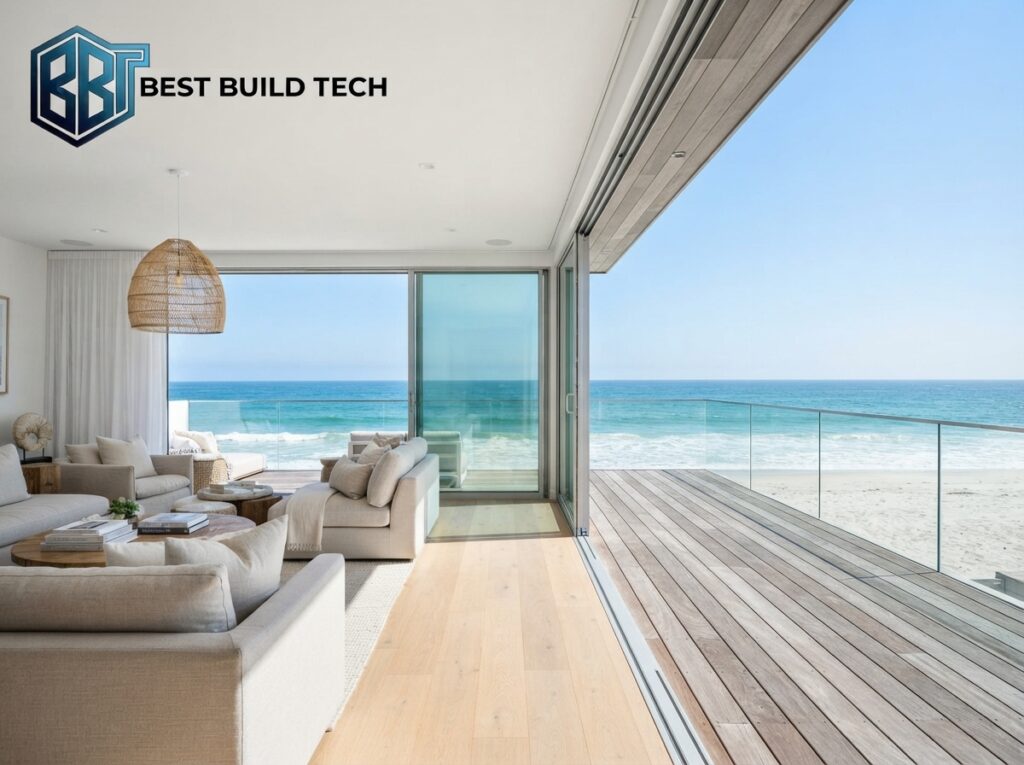
“How hard can a sliding door be?” is a question I hear more than you’d think, usually right before a homeowner realizes there’s more to sliding doors than picking a size off a showroom floor. They’re a straightforward, space-saving way to bring in more light and open up a room to the outdoors, but not all systems are built the same. Here’s what actually separates a good sliding door from one you’ll be calling someone about in five years.
Table of Contents
- What Are Sliding Doors?
- 7 Things to Know Before Choosing Sliding Doors
- Frequently Asked Questions
- Ready to Explore Your Options?
What Are Sliding Doors?
A sliding door system uses one or more glass panels that glide horizontally along a track, with at least one panel typically remaining fixed in place. It’s a simple, reliable mechanism that’s been a staple in home design for decades, and modern versions have evolved significantly in terms of frame material, glass performance, and overall size.
7 Things to Know Before Choosing Sliding Doors
1. Frame Material Affects Long-Term Performance
Aluminum framing is a common choice for sliding doors because it resists warping and holds up well to sun exposure, which matters in a Southern California climate. It also allows for a slimmer profile, meaning more visible glass and a cleaner look overall.
2. Panel Configuration Changes the Opening Size
Sliding doors can be configured with two, three, or more panels, and the number of fixed versus operable panels determines how much of the opening actually functions as a walkway. This is one of the first details we work through with homeowners.
3. Track Quality Determines Smooth Operation
A sliding door is only as good as the track and roller system behind it. Lower-quality hardware can lead to sticking or misalignment over time, especially with larger glass panels, so it’s worth asking about the hardware, not just the glass.
4. Glass Type Impacts Comfort and Energy Performance
Dual-pane glass is standard in most quality sliding door systems today and can make a noticeable difference in comfort and noise reduction compared to older single-pane setups. The U.S. Department of Energy offers a helpful overview of window and door energy performance if you want to dig deeper into glass options.
5. Threshold Height Matters for Accessibility
Some sliding systems use a raised threshold, while others offer a low-profile option that makes it easier to walk between indoor and outdoor spaces. This is worth discussing early if accessibility is a priority for your household.
6. Larger Openings May Require Structural Review
If you’re planning a wide sliding door system as part of a remodel, it’s worth having your contractor evaluate whether the existing wall structure can support the new opening size before finalizing your plans.
7. Installation Quality Is as Important as the Product
Even a well-built sliding door can underperform if it isn’t installed correctly. Proper leveling, sealing, and flashing all affect how well the door operates and how well it holds up over time.
To see the full range of sliding door styles and configurations, take a look at our sliding doors page, and if you’re comparing materials and finishes, our sister company Eris Home Products also carries an aluminum sliding door lineup worth browsing.
Frequently Asked Questions
How many panels can a sliding door system have?
It depends on the size of your opening and your goals, but most residential systems range from two to four panels, with larger multi-panel systems available for wider openings.
Are sliding doors energy efficient?
Quality sliding doors with dual-pane glass and proper installation can perform well in terms of energy efficiency, though performance depends on the specific glass and frame combination chosen.
Can sliding doors replace an existing window or door?
In many cases, yes, though it depends on the size and structure of the existing opening. This is something we evaluate during an in-home consultation.
How long does a sliding door installation typically take?
Timelines vary based on the size of the project and whether structural work is involved, which we’ll walk you through during your consultation.
Ready to Explore Your Options?
Sliding doors remain one of the most reliable, functional upgrades you can make to a home, but getting the details right, from frame material to installation quality, makes all the difference in how well the system performs over time. If you’re planning a project in Thousand Oaks or the surrounding area, our team is happy to walk through your space and talk through your options.
Contact Best Build Tech at (805) 375-6333 or visit bestbuildtech.com to discuss your sliding door project.
READ MORE: