
How Often Do I Need to Grease Bifold Tracks?
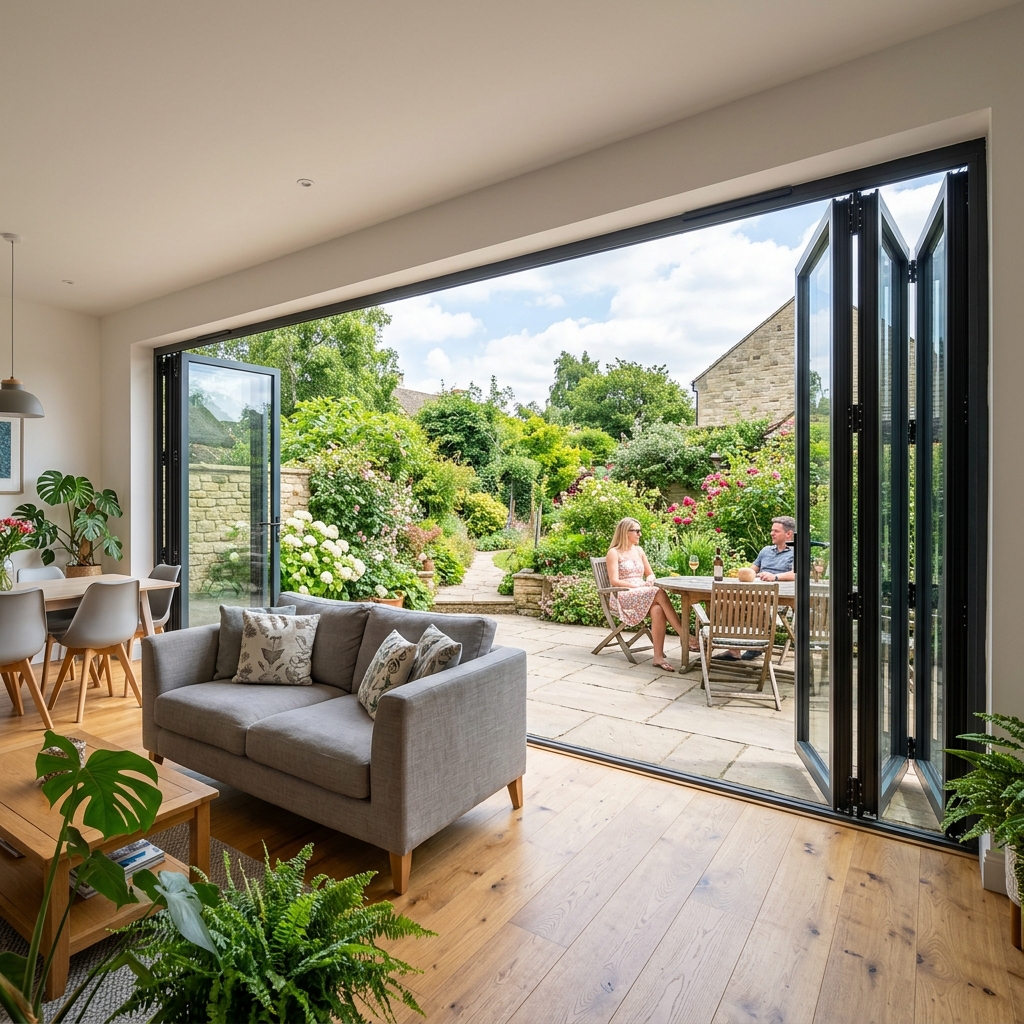
Bifold doors are precision-engineered systems that rely on a smooth, low-friction glide to move massive glass panels with ease. To maintain that “single-finger” operation, the hardware requires periodic attention. However, a common misconception is that these systems need to be heavily “greased” like an automotive part. In reality, the frequency and method of lubrication for your bifold doors are much more refined. In the specific climate of Southern California—where canyon dust and salt air are constant factors—knowing exactly how and when to service your tracks is the difference between a lifetime of performance and a system that sticks or grinds.
The Recommended Maintenance Schedule
For most luxury aluminum systems in the Los Angeles area, you should plan to inspect and lubricate your hardware every six to twelve months. However, your specific geography may require a more frequent routine.
Coastal vs. Inland Requirements
If you live within five miles of the Pacific coast (such as Malibu or Santa Monica), the salt in the air can create a corrosive “crust” on the hardware. In these areas, we recommend a quick cleaning and lubrication every three to four months. For inland areas like Thousand Oaks or Northridge, the primary enemy is fine dust and grit. A bi-annual schedule (once in the spring and once in the fall) is typically sufficient to keep the rollers moving silently.
Why You Should Never Use “Grease”
The most important rule for maintaining bifold doors is to avoid heavy grease or thick lubricants like WD-40. While these might provide a temporary fix, they cause significant long-term damage.
The Problem with Sticky Lubricants
Standard grease is “tacky,” meaning it acts as a magnet for the fine dust, pet hair, and sand common in Southern California. This creates a grinding paste that wears down the precision bearings and can actually cause the rollers to flat-spot.
H3: The “Dry” Lubricant Solution
Instead of grease, you should always use a high-quality dry silicone spray or a Teflon-based lubricant. These products provide the necessary slipperiness to the tracks and rollers without leaving a sticky residue. A dry lubricant ensures that dust simply passes over the surface rather than sticking to it, preserving the integrity of the stainless steel components.
Step-by-Step Maintenance Routine
Maintaining your bifold doors takes less than fifteen minutes but adds years to the life of the system. Follow these three simple steps:
- Vacuum the Tracks: Before adding any lubricant, use a crevice tool to remove all pebbles, dust, and debris from the bottom track. Lubricating over dirt only makes the problem worse.
- Wipe Down the Rails: Use a damp microfiber cloth to clean the interior surfaces of the top and bottom tracks.
- Apply Dry Spray: Lightly spray the roller carriages and the pivot points of the hinges. Open and close the doors a few times to distribute the lubricant evenly through the bearings.
Conclusion: Smooth Operation for a Lifetime
How often do you need to grease bifold tracks? The answer is rarely—if you use the right dry lubricant twice a year. By keeping the tracks clear of Los Angeles dust and using a non-stick silicone spray, you ensure your bifold doors remain the effortless, silent centerpiece of your home. A little proactive care goes a long way in protecting your investment and maintaining that seamless transition to the outdoors.
Keep Your Doors Gliding Like New
Is your sliding or folding system feeling a bit heavy? Best Build Tech offers professional maintenance and adjustment services for all high-end door systems. We use only architectural-grade lubricants and precision tools to ensure your home’s transitions are always at peak performance.
Best Build Tech 📍 2300 Corporate Center Drive, Thousand Oaks, CA 91320 📞 805-375-6333.