
How Does Iron Withstand the Extreme Temperature Fluctuations Between Heat and Cold in the San Fernando Valley?
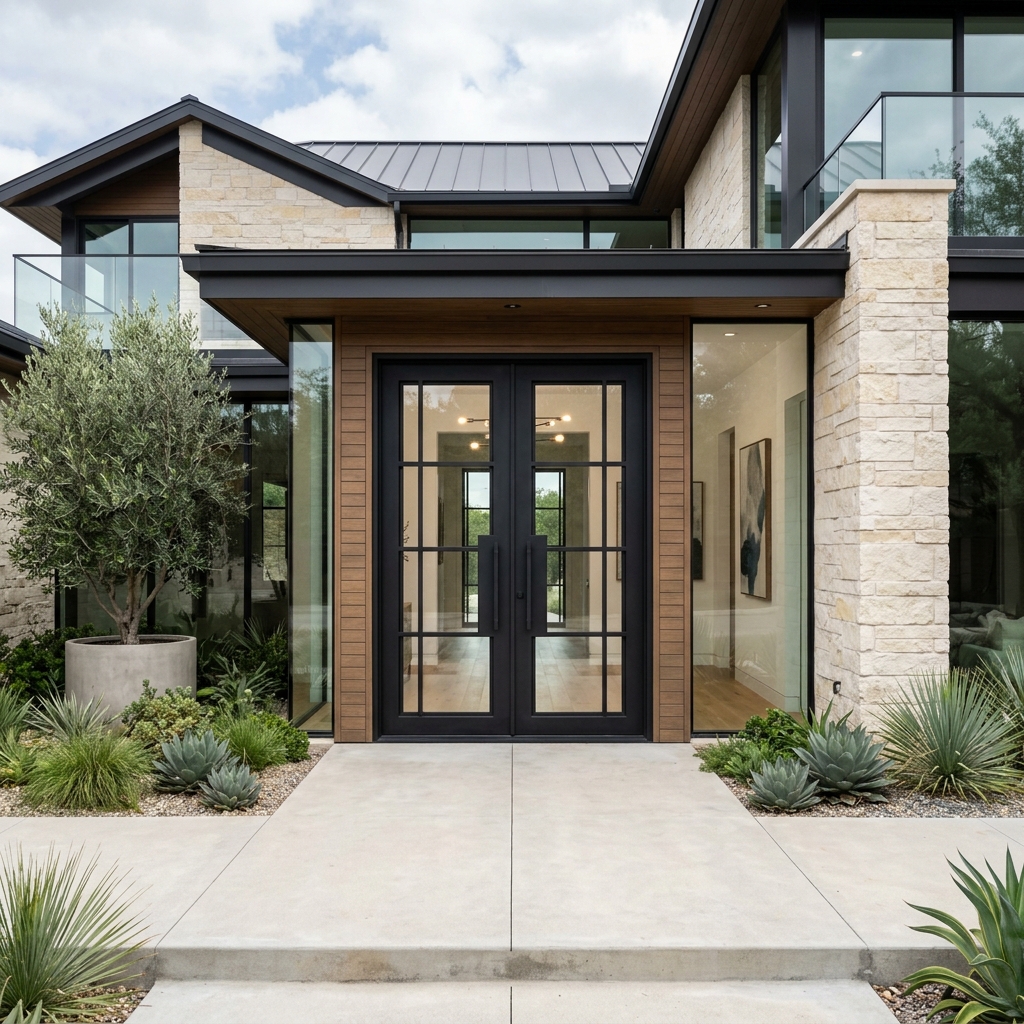
Iron door installations in the San Fernando Valley must contend with some of the most dramatic temperature swings in Southern California. From summer afternoons in Woodland Hills that frequently soar past 100°F to crisp winter nights in Chatsworth that dip into the low 40s, the thermal stress on exterior materials is immense. While metal is naturally a conductor of heat, a high-quality iron door is engineered specifically to manage these fluctuations without warping, sticking, or compromising the home’s energy efficiency. By utilizing advanced thermal breaks and high-performance finishes, these systems turn the inherent strength of iron into a stable, long-term solution for the Valley’s unique climate.
Understanding the science of thermal expansion and the architectural safeguards used to mitigate it is essential for any homeowner in Sherman Oaks or Northridge looking to invest in a luxury iron entrance.
The Science of Thermal Expansion in the Valley
All materials react to the intense heat of the San Fernando Valley, but the way an iron door manages this movement is a result of precise metallurgical engineering.
Expansion and Contraction
When the Valley sun beats down on a dark-colored iron door, the metal atoms absorb energy and expand. In the winter or during rapid evening cooling, the material contracts. Iron has a linear expansion coefficient of approximately 1.2, which is significantly lower than that of aluminum or vinyl. This means that while an iron door does move, it maintains its structural “memory” far better than other materials, ensuring the door doesn’t permanently bow or lose its shape after a heatwave.
The Role of the Thermal Break
The most critical feature for an iron door in Los Angeles is the “thermal break.” This is a reinforced polyamide strip or high-density foam core that separates the exterior face of the metal from the interior face. This break halts the “thermal bridge,” ensuring that while the outside of your door may be hot to the touch in the July sun, the interior remains cool, protecting your home’s HVAC efficiency and preventing the frame from expanding into the door jamb.
Protecting the Finish Against UV and Weather
In the San Fernando Valley, the sun is often a greater threat to an iron door than the temperature itself. Constant UV exposure can degrade standard paints, leading to micro-cracks that allow moisture to reach the metal.
- Powder Coating: High-end iron systems utilize a multi-stage powder coating process. Unlike liquid paint, powder coating is baked onto the metal at high temperatures, creating a flexible, “skin-like” finish that expands and contracts alongside the iron without cracking.
- Zinc Priming: To ensure longevity in the variable Valley humidity, a zinc-rich primer is applied before the color coat. This acts as a sacrificial layer, preventing rust from forming even if the expansion cycle creates microscopic stress points in the finish.
Q&A: Iron Performance in Extreme Temperatures
Q: Will an iron door get stuck in the frame when it’s 110 degrees in Woodland Hills? A: Not if it is installed by a specialist like Best Build Tech. Professional installers provide precise “expansion gaps” and use heavy-duty ball-bearing hinges that allow the iron door to move slightly without affecting its operation or locking mechanism.
Q: Does a dark iron door make my foyer hotter? A: If the door is not thermally broken, yes. However, modern iron door systems used in Thousand Oaks and the Valley feature insulated glass and thermal barriers that keep the heat outside, regardless of the door’s color.
Q: Can the cold Valley nights cause the glass in my iron door to crack? A: No. We use tempered safety glass held in place by flexible glazing beads. These beads act as a “gasket,” allowing the iron frame and the glass to expand and contract at different rates without putting pressure on the glass itself.
Q: Is iron better than wood for the San Fernando Valley climate? A: Generally, yes. Wood is porous and reacts to the Valley’s dry heat by shrinking and cracking, which can lead to air leaks. An iron door is non-porous and, when thermally broken, provides a much more stable and energy-efficient barrier against the elements.
Conclusion: Engineering for the Valley Lifestyle
How does iron withstand the extreme temperature fluctuations between heat and cold in the San Fernando Valley? It does so through a combination of its natural structural rigidity and modern architectural technology. By choosing an iron door designed with the California climate in mind, homeowners in Thousand Oaks and Los Angeles can enjoy the timeless beauty of ironwork without the maintenance headaches caused by thermal stress. For a home that stays cool in the summer and secure in the winter, the engineered iron entrance remains the gold standard of Valley luxury.
Precision Iron Installations with Best Build Tech
Ensure your home is ready for the Valley’s toughest weather. Best Build Tech specializes in the design and installation of thermally broken iron door systems throughout Thousand Oaks, Los Angeles, and the San Fernando Valley. We provide high-performance solutions that balance world-class aesthetics with the rugged durability your climate demands.
Best Build Tech 📍 2300 Corporate Center Drive, Thousand Oaks, CA 91320 📞 805-375-6333