
Does Aluminum “Sweat” or Form Condensation During the Humid Morning Hours in L.A.?
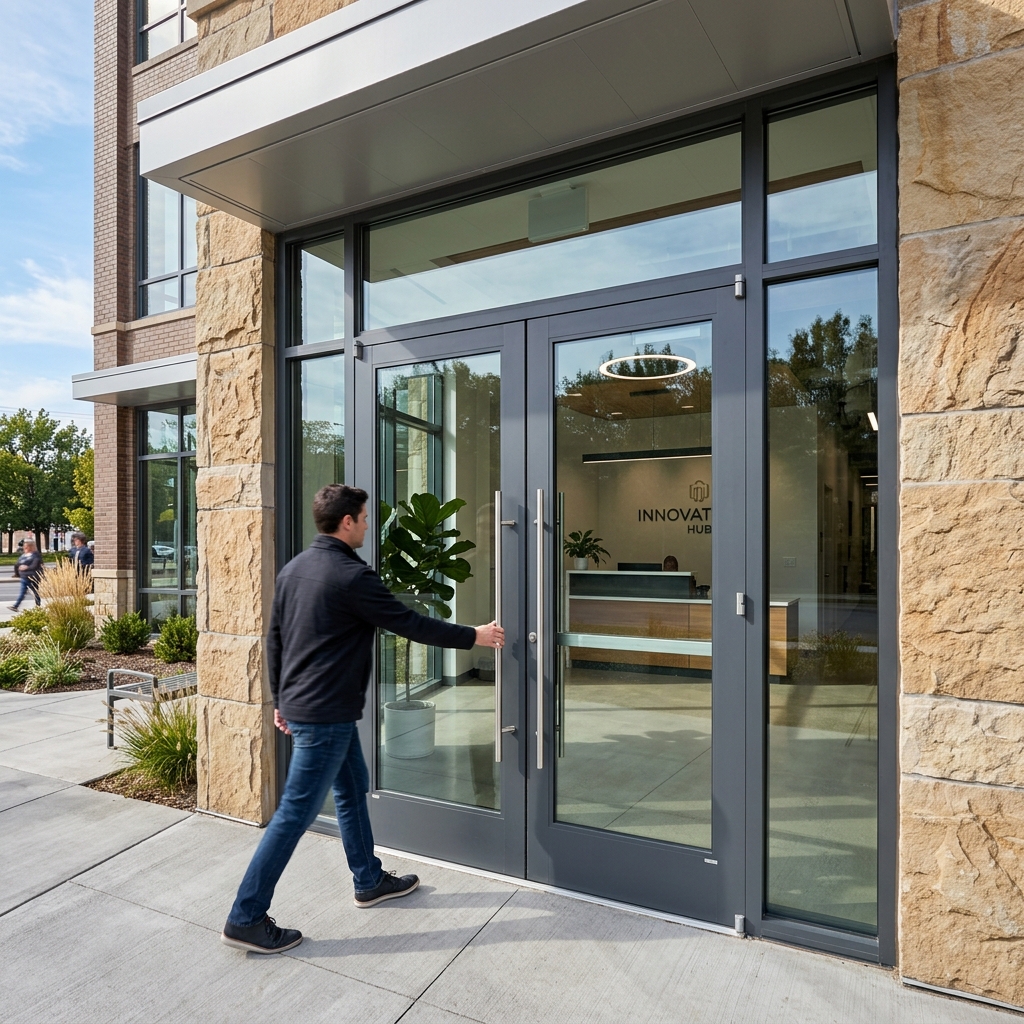
For homeowners in Los Angeles, Thousand Oaks, and the San Fernando Valley, the sight of moisture clinging to window frames during a humid morning is a common occurrence. This phenomenon, often referred to as “sweating,” is particularly prevalent with metal-framed systems. If you have recently installed or are considering an aluminum door, you may wonder if the material itself is prone to this moisture buildup. The answer is that while aluminum does not “breathe” or produce moisture, it is a highly efficient conductor of heat. This thermal conductivity is the primary driver of condensation. When the cool morning air of the Conejo Valley meets a warm, humid interior, the aluminum door frame can act as a bridge, dropping the temperature of the interior surface below the “dew point” and causing water vapor to liquefy.
Understanding the mechanics of condensation is essential for maintaining the longevity of your home’s interior finishes and ensuring your high-end architectural systems perform as intended in the unique microclimates of Southern California.
The Science of Condensation on Metal Surfaces
To understand why an aluminum door might “sweat,” we must look at the relationship between surface temperature and humidity. Condensation occurs when water vapor in the air comes into contact with a surface that is significantly colder than the air itself.
Thermal Conductivity
Aluminum is prized in the construction of luxury doors in Malibu and Hidden Hills for its strength and slim profiles, but it is also a natural conductor. In the early morning hours in Los Angeles, the exterior temperature may be much lower than the climate-controlled temperature inside your home. Because standard aluminum allows heat to move through it easily, the interior side of the door frame becomes cold. When the humid indoor air hits that cold metal, it releases its moisture, creating the “sweat” you see on the frame.
The Dew Point Factor
The “dew point” is the temperature at which air can no longer hold its water vapor. If the interior surface of your aluminum door falls below this specific temperature, condensation is inevitable. In coastal areas like Santa Monica or Pacific Palisades, where morning humidity is high, the margin between the room temperature and the dew point is often very thin, making condensation more likely on non-insulated metal frames.
The “Thermal Break” Solution
In modern architectural engineering, the “sweating” problem has been largely solved through the implementation of thermal breaks. If you are working with a door specialist in Thousand Oaks, they will likely recommend “thermally broken” aluminum for any exterior application.
- How it Works: A thermal break is a high-density, non-conductive material (usually a polyamide strip) that is placed between the interior and exterior halves of the aluminum frame.
- Breaking the Bridge: This strip “breaks” the thermal bridge, preventing the cold exterior temperatures from reaching the interior side of the aluminum door.
- Result: The interior frame stays closer to the room temperature, remaining above the dew point and effectively eliminating the “sweating” effect, even during the most humid Los Angeles mornings.
Managing Humidity in the San Fernando Valley
While a thermally broken aluminum door prevents the frame from getting cold, high interior humidity can still cause moisture to form on the glass itself. Homeowners in Woodland Hills and Sherman Oaks can take several steps to manage this:
- Improve Air Circulation: Using ceiling fans or ensuring that HVAC vents are not blocked near the door helps move air across the surface of the glass, preventing stagnant, moist air from settling and condensing.
- Utilize Dehumidifiers: During particularly humid seasons in the San Fernando Valley, running a dehumidifier can lower the dew point inside the home, making it harder for condensation to form on any surface.
- Check Weatherstripping: Ensure the seals around your aluminum door are intact. Air leaks can bring moist exterior air directly into contact with the cooler interior surfaces, accelerating the condensation process.
Q&A: Condensation and Aluminum Door Care
Q: Is condensation a sign that my aluminum door is failing? A: Not necessarily. If moisture is forming on the surface of the frame or glass, it is usually a sign of high humidity or a temperature imbalance. However, if you see condensation between the panes of glass, this indicates a “seal failure” in the insulated glass unit (IGU), and the glass will likely need to be replaced by a door specialist.
Q: Do dark-colored aluminum doors sweat more? A: Dark colors (like Black or Bronze) absorb more heat from the sun, which can actually help evaporate exterior moisture faster once the sun comes up. However, the color of the door has less impact on morning condensation than the presence (or absence) of a thermal break within the frame.
Q: Can condensation damage my aluminum door? A: Aluminum is naturally resistant to rust and corrosion, so the metal itself is safe from moisture. However, persistent “sweating” can run off the frame and damage wooden flooring, drywall, or carpets near the entrance. This is why professional installation and choosing thermally broken systems are so important for homes in Thousand Oaks and Westlake Village.
Q: Does “Low-E” glass help with condensation? A: Yes. Low-E (low-emissivity) coatings help keep the interior pane of glass warmer by reflecting heat back into the room. A warmer glass surface is less likely to drop below the dew point, which helps reduce condensation on the glass portion of your aluminum door.
Long-Term Maintenance for L.A. Environments
Maintaining an aluminum door in the Los Angeles climate requires a proactive approach to moisture management.
- Wipe Down Frames: If you notice morning moisture, a quick wipe with a microfiber cloth prevents mineral deposits from the water from spotting the finish over time.
- Clean the Tracks: For sliding aluminum door systems, ensure the bottom tracks are clear of debris. Clogged weep holes (small holes designed to drain water out of the track) can cause water to back up and increase the humidity levels around the door frame.
- Annual Seal Inspection: Have a professional like Best Build Tech inspect your seals and thermal breaks annually. Over time, the intense San Fernando Valley sun can cause seals to dry out, which may lead to increased air infiltration and moisture issues.
Conclusion: Engineering for a Dry Home
Does aluminum “sweat” or form condensation during the humid morning hours in L.A.? Without a thermal break, the answer is often yes. However, by choosing a high-performance, thermally broken aluminum door, you can enjoy the sleek, modern aesthetic of metal without the dampness and potential damage associated with condensation. For homeowners in Thousand Oaks, Los Angeles, and Ventura County, the key to a beautiful and dry home lies in selecting the right technology for our unique coastal and valley environments. With the right engineering and professional installation, your view of the Southern California morning will remain clear and moisture-free.
Optimize Your Home’s Performance with Best Build Tech
Don’t let condensation dampen your home’s interior. Best Build Tech specializes in the installation of high-performance, thermally broken aluminum door systems throughout Thousand Oaks, Los Angeles, and the San Fernando Valley. We provide the expert guidance and precision craftsmanship needed to ensure your home remains comfortable, energy-efficient, and dry in every season.
Best Build Tech 📍 2300 Corporate Center Drive, Thousand Oaks, CA 91320 📞 805-375-6333