
Does Aluminum Pitting Happen Over Time?
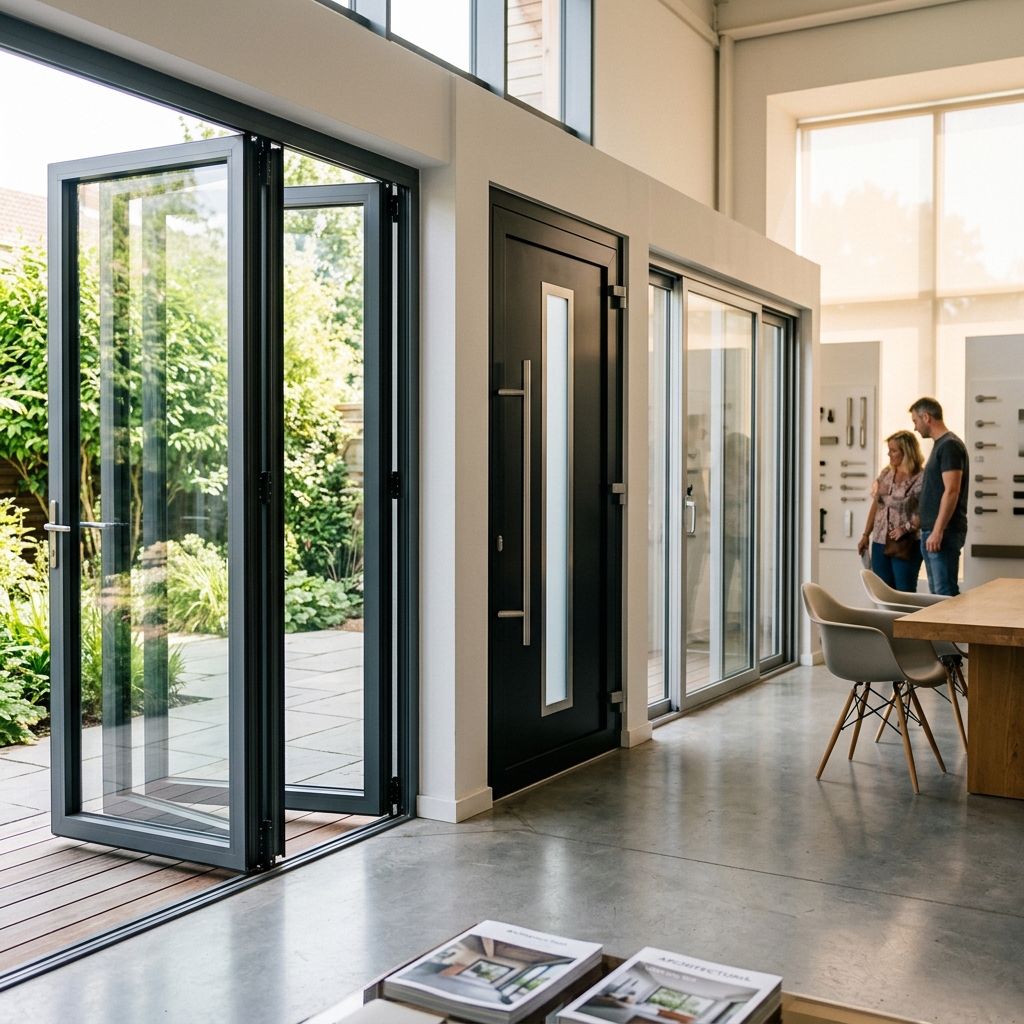
For many homeowners in the Los Angeles area, selecting a high-end aluminum door is a decision based on the material’s legendary reputation for durability. Unlike iron or steel, aluminum does not “rust” in the traditional sense, which often leads to the assumption that it is completely immune to environmental wear. However, as properties age—especially those along the Pacific coast or in high-humidity canyon pockets—a subtle form of surface wear can emerge. This leads to a common question for long-term property owners: Does aluminum pitting happen over time?
While aluminum is remarkably resilient, it is not invincible. Under specific environmental conditions, small white spots or tiny craters, known as “pitting,” can develop on the surface of the metal. Understanding the science behind this process is essential for maintaining the pristine, architectural look of your home’s exterior.
The Science of Aluminum Pitting
To understand pitting, you must first understand how aluminum protects itself. When raw aluminum is exposed to air, it almost instantaneously forms a nanoscopic, “self-healing” layer of aluminum oxide. This thin skin acts as a protective shield, preventing oxygen from reaching the metal underneath.
Why the Protective Shield Fails
Pitting occurs when this microscopic oxide layer is compromised. In a standard inland environment, the shield remains intact for decades. However, in regions with high concentrations of chloride (salt air) or acidic pollutants (urban smog), these chemicals can “break” the oxide layer. If a salt crystal or a drop of acidic moisture sits on the frame for too long, it creates a localized chemical reaction that bores a tiny hole into the metal—this is a pit.
The “Hidden” Nature of Corrosion
Unlike the flaking orange rust seen on steel, aluminum pitting often looks like a harmless white powder or a dull grey spot. Because it is localized, it rarely affects the structural integrity of a heavy-duty aluminum door in its early stages. However, if left unaddressed, these pits can trap more moisture and salt, causing the surface to lose its smooth, factory-new luster and eventually leading to deeper surface degradation.
Environmental Triggers in Southern California
Geography plays the biggest role in whether or not your frames will experience pitting over time. Los Angeles and Ventura Counties present two specific challenges that homeowners should monitor.
Coastal Salt Spray
If you live within five miles of the ocean, your home is constantly “dusted” by microscopic salt particles carried by the marine layer. These chloride ions are the primary cause of pitting. When salt sits on an aluminum door frame, it attracts moisture from the morning fog, creating a saline solution that is highly aggressive toward the metal’s protective skin.
Urban Pollutants and Canyon Dust
Inland areas like Thousand Oaks or the San Fernando Valley deal with a different catalyst: sulfur and nitrogen oxides from heavy traffic and industrial activity. When combined with light rain or high humidity, these pollutants can form mild acids on the surface of the door. Additionally, fine dust from local canyons can act as an abrasive or trap moisture against the frame, providing a breeding ground for localized oxidation.
Prevention Through Advanced Engineering
While pitting is a natural chemical risk, modern architectural technology has largely solved this issue for high-end residential installations. The key lies in how the aluminum door is finished and sealed during the manufacturing process.
Architectural-Grade Powder Coating
The most effective defense against pitting is a high-quality powder-coated finish. Unlike standard paint, which can be porous, powder coating creates a thick, baked-on polymer “armor” over the aluminum. This barrier is specifically engineered to be non-porous, meaning salt and moisture simply cannot reach the metal underneath. This is why a professionally finished system can live near the Santa Monica coast for 20 years and still look as smooth as the day it was installed.
Anodizing and Clear Sealants
In some modern designs, the aluminum is “anodized,” a process that thickens the natural oxide layer through an electrochemical bath. This creates an incredibly hard surface that is highly resistant to scratching. For added security in extreme coastal zones, many specialists apply a final clear-coat sealant that provides an extra layer of “sacrificial” protection against salt and UV rays.
Simple Maintenance to Stop Pitting Before It Starts
The good news for homeowners is that pitting is almost entirely preventable through basic care. Because pitting requires a “contaminant” (like salt or dirt) to sit on the surface for a long time, the solution is simple: keep it clean.
- Freshwater Rinse: A quick rinse with a garden hose once a month (especially after a windy day or heavy fog) removes the salt and dust that cause chemical reactions.
- Mild Soapy Water: Use a soft cloth and a gentle, non-abrasive soap to wipe down the frames twice a year. This removes “oily” urban pollutants that water alone might miss.
- Dry the Tracks: After cleaning or heavy rain, ensure the bottom tracks are clear of standing water. Pitting is most common in areas where moisture is allowed to “pool” against the metal for days at a time.
Conclusion: A Lifetime of Performance
Does aluminum pitting happen over time? It can, but only if the material is neglected or poorly finished. When you invest in a high-quality aluminum door that has been treated with architectural-grade coatings and you follow a minimal cleaning routine, your frames will remain smooth, shiny, and pit-free for a generation. Aluminum remains the gold standard for Southern California because its “corrosion” is easy to prevent and manage, unlike the high-maintenance rust of other metals.
Protect Your Architectural Investment
If you are looking for an aluminum door system that is engineered to withstand the unique coastal and urban challenges of Los Angeles, our team is here to help. At Best Build Tech, we prioritize high-performance finishes that resist pitting and oxidation, ensuring your views remain uncompromised for a lifetime.
Best Build Tech 📍 2300 Corporate Center Drive, Thousand Oaks, CA 91320
📞 805-375-6333 — Call us for a durability assessment of your home’s exterior!