
Do Casement Windows Provide Better Insulation Than Sliders?
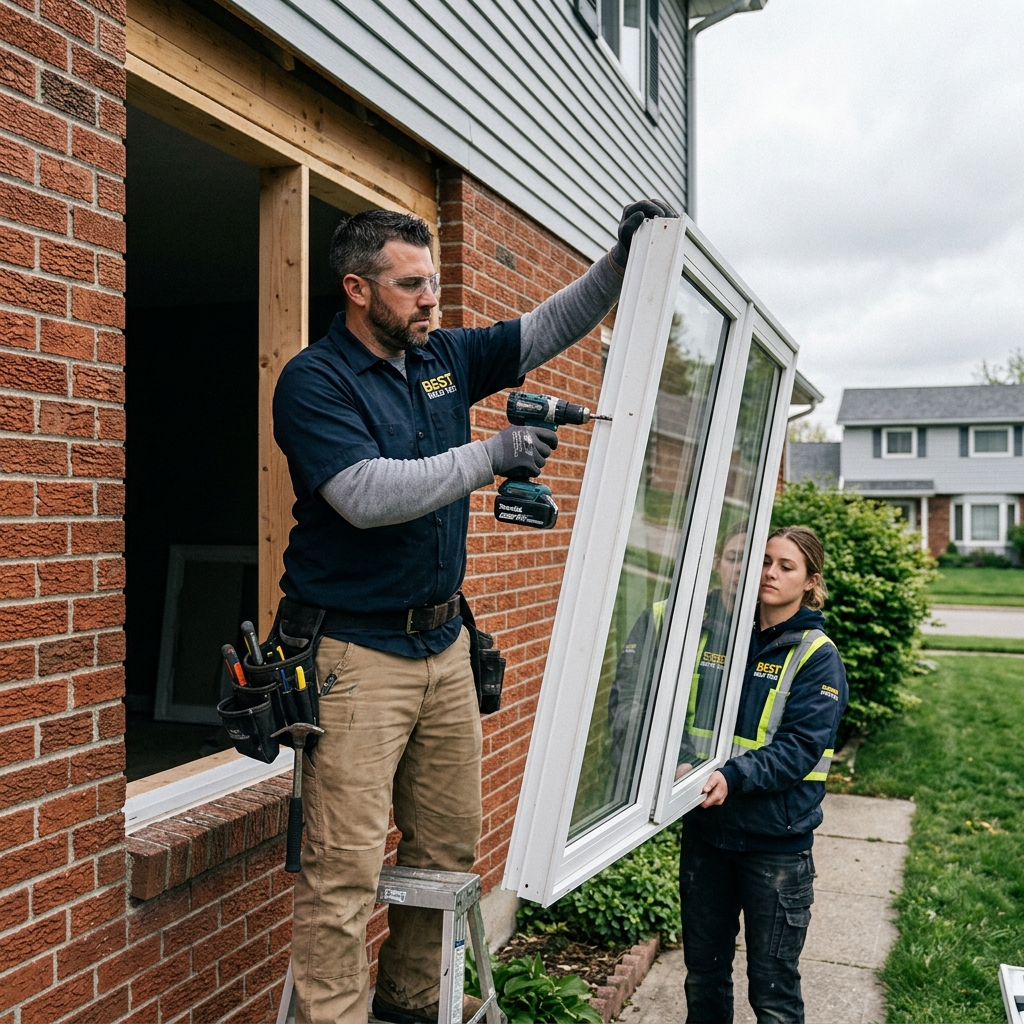
Casement windows are increasingly becoming the preferred choice for homeowners in Los Angeles who are looking to maximize their home’s energy efficiency. When comparing different window styles for a remodel or a new build, the conversation often turns to thermal performance and air infiltration. While sliding windows are popular for their ease of use and space-saving design, property owners frequently ask a critical question: Do casement windows provide better insulation than sliders?
From a purely structural and mechanical standpoint, the answer is yes. While both styles can utilize high-performance glass, the way a casement window closes and seals against the frame gives it a significant advantage in insulation and weatherproofing.
The Physics of the Compression Seal
The primary reason casement windows outperform sliders in insulation is the type of seal they utilize. In the window industry, the quality of the seal is the most important factor in preventing “air leakage,” which is a leading cause of high energy bills.
Compression vs. Friction Seals
A sliding window operates on tracks, meaning the weatherstripping must “glide” or rub against the frame to open and close. This friction-based seal inherently has small gaps to allow for movement. In contrast, a casement window operates like a refrigerator door. When you crank it shut, the sash is pressed directly into a bulb gasket. This creates a high-pressure compression seal that is virtually airtight, leaving no room for the drafts that often plague sliding units.
Structural Integrity Under Wind Load
In areas prone to high winds, such as the Santa Susana Mountains or the coastal bluffs of Malibu, wind pressure can actually improve the insulation of a casement unit. When the wind blows against an out-swinging casement, it pushes the sash even harder into the frame’s seals. Sliding windows, however, can sometimes “rattle” or experience “blow-by” when intense wind pressure forces air through the sliding tracks.
Thermal Performance and Air Infiltration Rates
When we talk about insulation, we are measuring two things: how much heat passes through the material (U-Factor) and how much air leaks through the gaps (Air Infiltration).
Minimizing Thermal Bridging
High-quality casement windows are engineered with multiple chambers within the frame to minimize thermal bridging. Because the sash is a single, solid piece that fits perfectly into the master frame, there are fewer “meeting points” where heat can transfer. Sliding windows require a meeting rail in the center where the two sashes overlap; this rail is often a weak point for thermal loss.
Lowering Your HVAC Load
Because the air infiltration rate of a casement window is among the lowest in the industry, your home’s HVAC system doesn’t have to work as hard. During a blistering July afternoon in the San Fernando Valley, the airtight seal of a casement unit keeps the cool air in and the 100°F heat out, resulting in a more consistent and comfortable interior climate.
Why Frame Material Matters for Insulation
While the operation of the window is key, the insulation value is further enhanced by the frame material. At Best Build Tech, we focus on high-tensile aluminum with advanced thermal breaks.
- Thermal Break Technology: By inserting a non-conductive barrier inside the aluminum frame, we prevent the metal from conducting heat.
- Dual-Pane Argon-Filled Glass: Combining the airtight seal of casement windows with Argon-filled, Low-E glass creates a total insulation package that far exceeds standard residential requirements.
- Precision Hardware: Heavy-duty hinges and multi-point locks ensure the window pulls tight at the top, middle, and bottom, maintaining the seal’s integrity for decades.
Conclusion: The Energy-Efficient Champion
Do casement windows provide better insulation than sliders? The structural design of the compression seal and the lack of a central meeting rail make casement windows the superior choice for thermal performance. If your goal is to create a quiet, energy-efficient, and draft-free environment in your Los Angeles home, the investment in casement technology will pay for itself through increased comfort and lower utility costs.
Optimize Your Home’s Efficiency
Ready to see how much more comfortable your home can be? Best Build Tech specializes in the precision installation of high-performance casement windows designed for the Southern California climate. Let our team help you select the most insulated solutions for your next project.
Best Build Tech 📍 2300 Corporate Center Drive, Thousand Oaks, CA 91320 📞 805-375-6333 Call us today for an energy-efficiency home audit!