
Are French Doors Less Energy-Efficient Than Sliders?
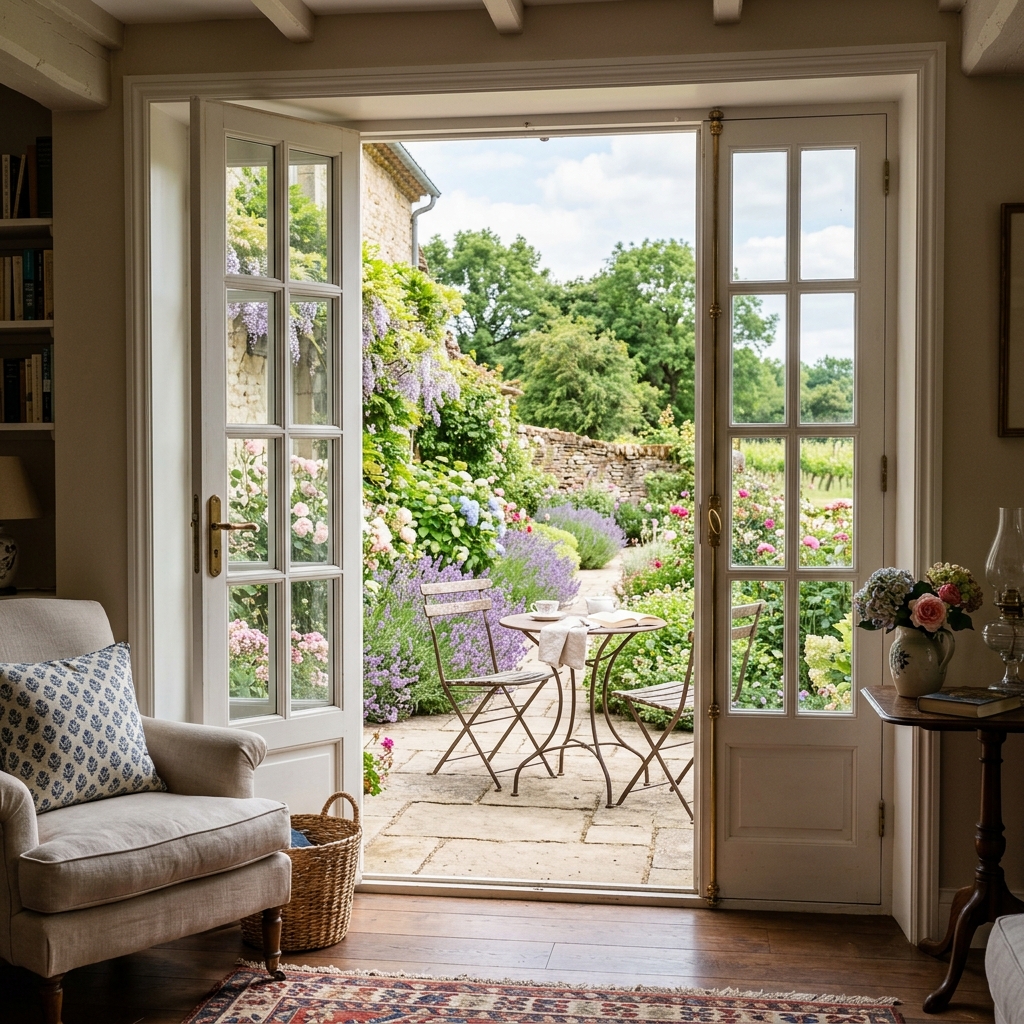
French doors are an iconic architectural choice for Los Angeles homes, offering a timeless aesthetic that evokes the elegance of European estates and classic California bungalows. However, as energy costs rise and California’s Title 24 building standards become more stringent, homeowners often find themselves comparing different patio transitions. A frequent point of debate is whether the classic hinged design of French doors is less energy-efficient than the large, overlapping panes of a sliding system.
Historically, older hinged designs were prone to minor air leaks at the center where the two doors meet. However, modern manufacturing has completely bridged this performance gap. Today, a premium aluminum-framed system is engineered with the same high-performance technology found in commercial skyscrapers, ensuring your home remains a thermally efficient sanctuary.
The Engineering of the Airtight Seal
The primary difference in how these systems handle energy efficiency lies in the type of seal they use. While sliding doors rely on “brush” seals that must allow the door to move laterally, hinged systems utilize compression technology.
Compression Gaskets vs. Friction Seals
When you close a modern set of French doors, the panels are pressed firmly against a continuous rubber or EPDM (Ethylene Propylene Diene Monomer) gasket. This “compression” creates a physical barrier that is significantly more airtight than the friction-based seals found on many standard sliders. Because the gaskets are squashed between the door and the frame, there is virtually no room for air infiltration, even during the high-pressure “Santa Ana” winds common in the 805 and 213 area codes.
Multi-Point Locking Systems
Energy efficiency is also tied to the locking mechanism. A high-quality installation features a multi-point lock that engages at the top, middle, and bottom of the frame with a single turn of the handle. This doesn’t just provide elite security; it pulls the entire height of the door into the weatherstripping. This uniform pressure prevents the “bowing” that can occur with height, ensuring that the seal remains 100% effective from the threshold to the header.
Thermal Breaks and Glass Technology
In the heat of the San Fernando Valley or the sun-drenched hills of Malibu, the material of the frame and the quality of the glass are the true drivers of efficiency.
Polyamide Thermal Barriers
Aluminum is a strong, permanent building material, but it is naturally conductive. To combat this, premium French doors feature a “thermal break.” This is a non-conductive barrier (usually a glass-reinforced polyamide strip) placed between the interior and exterior aluminum profiles. This break stops the Southern California heat from “traveling” through the metal, keeping the interior frame cool to the touch even when the exterior is baking in the 100°F sun.
High-Performance Low-E Glazing
Since the majority of a door is made of glass, the glazing is where most of your energy savings happen. Modern systems utilize “Low-E” (Low-Emissivity) glass, which features microscopically thin layers of metal oxide. This technology reflects infrared heat away from your home in the summer while trapping warmth inside during those chilly canyon winters. By filtering out UV rays, it also protects your interior wood floors and custom furniture from sun damage.
Installation: The Invisible Factor in Efficiency
Even the most expensive, highly-rated door will perform poorly if it isn’t installed with precision. For a hinged system to be energy-efficient, the “reveal” (the gap between the door and the frame) must be perfectly uniform.
- Squaring the Frame: If a frame is slightly out of alignment, the compression seals won’t make full contact, leading to “whistling” and energy loss.
- Threshold Sealing: The “sill” or threshold is a common area for drafts. We utilize specialized thermal sills that provide a watertight and airtight break at the floor level.
- Perimeter Caulking: Using high-grade, flexible sealants around the rough opening ensures that no air can bypass the door unit itself through the wall cavity.
Conclusion: Style Without Compromise
So, are French doors less energy-efficient than sliders? In the modern era, the answer is no. When you choose a high-performance aluminum system equipped with thermal breaks, multi-point locks, and Low-E glass, your French doors can match or even exceed the thermal performance of a sliding door. You can enjoy the classic, wide-opening charm of a double-door entrance without worrying about your utility bills or your home’s carbon footprint.
Upgrade to Efficient Elegance
Ready to blend timeless style with modern thermal performance? At Best Build Tech, we specialize in the precision installation of energy-rated systems that meet or exceed California’s strict efficiency standards. Let us help you choose a beautiful, airtight solution for your Los Angeles home.
Best Build Tech 📍 2300 Corporate Center Drive, Thousand Oaks, CA 91320 📞 805-375-6333 — Call us for an energy-efficiency consultation today!